
Moving to Ottawa? Here's Everything You Need to Know Before You Arrive
So you’ve decided to move to Ottawa — congratulations! Whether you’re chasing a new job, following family, or simply looking for a fresh start, you’ve picked a fantastic city. Ottawa is Canada’s capital, and it’s far more than just politics and parliament. It’s a city of festivals, green spaces, great schools, and genuinely friendly people.
But moving to a new city always brings questions. Which neighbourhood is right for you? What’s the cost of living really like? What should you know about Ottawa winters? We’ve put together this honest, practical guide to help you feel at home before you even arrive.

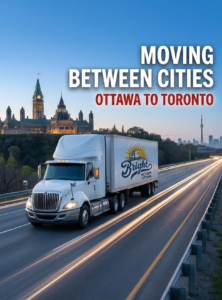
1. Finding the Right Neighbourhood for You
Ottawa has incredibly diverse neighbourhoods, and the right one depends entirely on your lifestyle, family situation, and budget. Here’s a quick breakdown:
Centretown & Downtown Ottawa
Perfect for young professionals and people who love walkability. You’ll be steps from restaurants, bars, museums, and the workplace district. Expect higher rent but zero commute stress.
The Glebe
One of Ottawa’s most beloved neighbourhoods. Trendy shops, farmers markets, Lansdowne Park, and a tight-knit community vibe. Great for families and anyone who loves an active, social lifestyle.
Kanata
Ottawa’s tech hub — home to many of Canada’s biggest tech companies. If you work in tech, Kanata is ideal. Newer homes, good schools, and a suburban feel with easy highway access.
Barrhaven
Families love Barrhaven for its excellent schools, newer housing, and quieter streets. It’s further from downtown but very affordable compared to central Ottawa.
Orleans
A predominantly francophone community on Ottawa’s east end. Great value for money, family-friendly, and increasingly popular with young families priced out of the west end.
Westboro
If you love an active, health-conscious lifestyle — cycling, hiking, farm-to-table restaurants — Westboro is your neighbourhood. It’s one of Ottawa’s trendiest areas and growing fast.
💡 Pro Tip: Visit each neighbourhood on a weekend before committing to a home. Ottawa’s neighbourhoods each have their own distinct personality — spend a few hours walking around and grabbing a coffee before you decide.
2. Cost of Living in Ottawa
Ottawa is one of Canada’s more affordable major cities — especially compared to Toronto or Vancouver. Here’s a realistic snapshot:
- 1-bedroom apartment (central): $1,700–$2,300/month
- 2-bedroom apartment: $2,200–$2,900/month
- Buying a home: Average around $650,000–$750,000 (detached in suburbs)
- Groceries for one person: ~$350–$500/month
- Transit pass (OC Transpo): ~$125/month
- Eating out (mid-range restaurant for two): $60–$90
The good news? Ottawa has one of Canada’s highest concentrations of government and tech jobs, which means solid salaries and strong job security for many residents.
3. Preparing for Ottawa Winters (Yes, They're Real)
Let’s be honest — Ottawa winters are no joke. The city regularly ranks among the coldest capital cities in the world. But Ottawa residents don’t hide from the cold; they embrace it. Here’s what to expect:
- December through February: Temperatures often drop to -15°C to -25°C, sometimes colder with wind chill
- Snowfall is significant — budget for winter tires and proper outerwear
- The Rideau Canal becomes the world’s largest naturally frozen skating rink every winter — it’s magical
- Winterlude, Ottawa’s famous winter festival, runs every February and is genuinely fun for families
💡 Pro Tip: Buy your winter gear before you arrive, especially if you’re moving from a warmer city. Good boots, a real winter coat, and winter tires for your car are non-negotiables.
4. Getting Around Ottawa
Ottawa is a very drivable city, and most residents own a car — especially those living in the suburbs. That said, public transit has improved significantly in recent years.
By Car: Ottawa’s roads are generally well-maintained, though winter driving requires care. Parking is available and relatively affordable compared to Toronto.
OC Transpo Bus: Ottawa’s bus network covers the entire city and is reliable for daily commuting.
O-Train (LRT): Ottawa’s light rail transit system connects key areas of the city and is expanding. The Confederation Line runs east-west through downtown.
Cycling: Ottawa has an excellent network of bike paths and trails. In warmer months, many residents cycle to work.
5. Schools and Education
Ottawa is an excellent city for families with children, with strong public, Catholic, and French-language school options.
- Ottawa-Carleton District School Board (OCDSB) — English public schools
- Ottawa Catholic School Board (OCSB) — Catholic schools
- Conseil des écoles publiques de l’Est de l’Ontario (CEPEO) — French public schools
- Carleton University and the University of Ottawa — two major universities right in the city
School quality is generally high across Ottawa, but popular schools in desirable neighbourhoods can have waitlists. Research schools early when choosing where to live.
6. Things You'll Absolutely Love About Ottawa
Beyond the practical stuff, here’s what makes Ottawa genuinely special:
- Festivals year-round — Tulip Festival, Bluesfest, Canada Day on Parliament Hill, Winterlude, and more
- World-class museums — Canadian Museum of History, Canadian War Museum, Museum of Nature — many are free
- The Rideau Canal and Ottawa River for kayaking, cycling, and skating
- Gatineau Park — over 360 km of trails just minutes from the city
- A genuinely bilingual city — French and English coexist beautifully
- Strong job market, especially in government, tech, and health
7. Tips for Making Your Move to Ottawa as Smooth as Possible
Once you’ve done your research and you’re ready to make the move, here are some practical tips to make the transition easier:
- Book your movers early — Ottawa’s peak moving season is May to September and spots fill up fast
- Notify your bank, employer, CRA, and provincial services of your address change
- Update your driver’s licence and vehicle registration with the Ontario MTO within 6 days of arriving
- Set up utilities (Hydro Ottawa, Enbridge Gas) before moving day
- Join local Facebook groups and Reddit communities (r/ottawa) to get insider tips from locals
If you’re moving to Ottawa from another city or province, working with a professional moving company can take an enormous amount of stress off your plate. Bright Movers Ottawa specializes in local and long-distance moves, and their team knows Ottawa’s neighbourhoods, traffic patterns, and building access rules inside and out.
💡 Pro Tip: Get your free moving quote at brightmover.ca before you finalize your moving date — knowing your moving costs upfront helps you budget your entire relocation properly.
Final Thoughts: Ottawa Is Worth It
Moving to a new city is always a leap of faith. But Ottawa is one of those cities that tends to surprise people — in the best possible way. It’s cleaner, friendlier, and more dynamic than most people expect, with a quality of life that’s hard to beat in Canada.
Do your neighbourhood research, prepare for the winters, and when moving day comes, let the professionals handle the hard part. Bright Movers is here to make sure your arrival in Ottawa starts on the right foot — so you can focus on exploring your new city from day one.
Welcome to Ottawa. You’re going to love it here. 🍁